In the rapidly evolving world of digital art, a new phenomenon is stirring controversy and confusion among collectors: AI-generated art. While not illegal, the rise of artworks created or assisted by artificial intelligence has sparked debates about consumer trust and credibility concerns in digital art marketplaces. Many buyers report feeling "tricked," leading to questions about ethical sales practices, proper disclosures, and what it means to know exactly what you’re purchasing.
Let’s explore why this sense of being deceived arises, even when no laws are broken, and how concepts like provenance and artist attribution act as practical safeguards for collectors navigating this complex marketplace.
Understanding Provenance: The Cornerstone of Buyer Security
First, a foundational term: provenance. Provenance is the documented history of an artwork — its origin, ownership, and exhibition background. Traditionally, provenance serves as a guarantee of authenticity and value, reassuring collectors that the piece they buy is legitimate and properly credited.
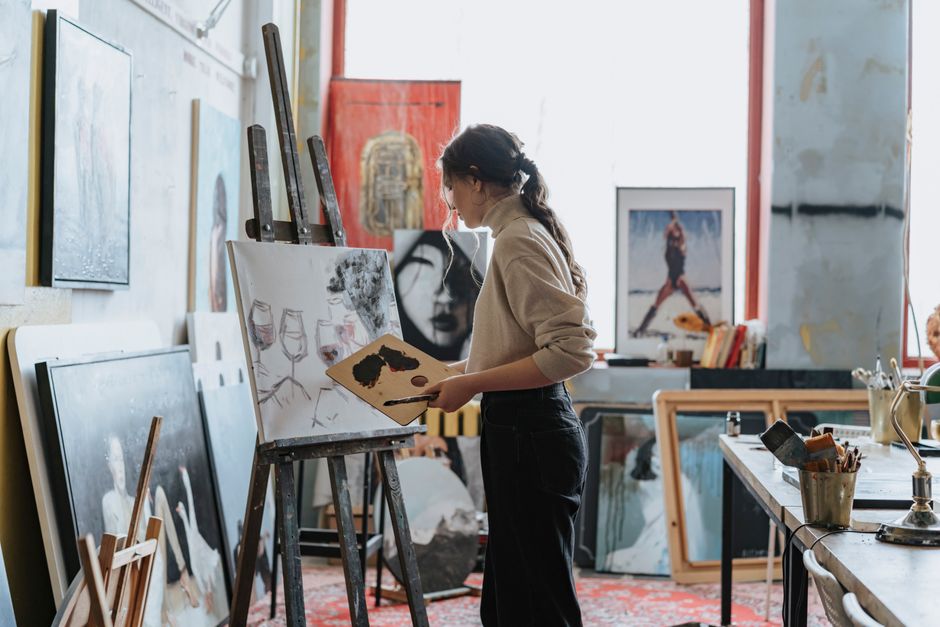

In digital art marketplaces, including those like Noirci Studio that embrace both traditional and AI-generated art, provenance extends beyond simple ownership records to include transparent artist biographies and information about creation methods.
When provenance is incomplete or ambiguous, buyers face uncertainty. For instance, a $200 print labeled as "original digital art" but later revealed to be extensively AI-generated without disclosure can damage trust and leave collectors feeling misled.
The Role of Disclosure: Why Transparency Matters
Behind many buyer frustrations lies one core issue: lack of disclosure. Buyers often report surprise or resentment when they learn that the art they paid for incorporates AI assistance, especially if this was not clearly communicated upfront.
This lack of transparency can manifest in several ways:
- Listings that omit whether the artwork is AI-generated Descriptions glossing over the artist's role or the creative process Generic or vague terms like "museum quality" used without details about materials or methods
Such practices create credibility concerns. From the buyer’s perspective, detailed disclosure is not just about honesty; it enables informed decisions that align with their expectations and values. For many, paying $200 or more for digital art implies confidence in knowing exactly what they own.
Artist Attribution and Transparent Biographies Enhance Consumer Trust
Another pillar of credibility is clear artist attribution. Buyers relate strongly to the human story behind an artwork: who created it, their background, and their intent. Transparency about the artist's identity and biography builds emotional and financial trust.
When an artwork involves AI, it is critical that marketplaces report this clearly and place the artist’s role in context. Is the artist the sole creator, or do they collaborate with AI tools? Platforms like Noirci Studio provide exemplary artist profiles that include creation techniques, helping bridge the informational gap for buyers.
Newsweek recently highlighted a surge in interest in AI art, noting that "buyers increasingly https://dlf-ne.org/how-does-ai-change-ownership-and-attribution-for-creative-work/ demand full disclosure and provenance to avoid feeling duped." This underscores the growing expectation for marketplaces to develop new standards around artist attribution that embrace the evolving creative landscape.
Why Feeling “Tricked” Isn’t About Legality but Trust
To understand why buyers express feelings of deception even when AI art sales are legal, consider the intangible currency at stake: trust.
Legality involves adherence to laws, which currently do not require mandatory disclosure of AI-generated content in art sales. But trust goes deeper—it is built on ethical transparency, accurate information, and respect for the buyer's right to know.
A buyer who pays $200 for what they believe is an artist’s wholly original creation expects a certain experience. When they later discover AI played a larger role without being informed, it breaks that trust. This isn’t necessarily fraud, but it erodes credibility and confidence in the marketplace.
Checklist: How Buyers Can Protect Themselves
For collectors entering this mixed arena of human and AI artistry, a mental checklist helps maintain confidence:
Check for clear AI disclosure: Does the listing or artist biography state the involvement of AI? Verify provenance: Look for documentation that outlines the work’s history, creation tools, and ownership. Research the artist: Seek transparent biographies and examples of other works to understand their creative process. Assess marketplace reputation: Choose platforms known for thorough vetting and clear guidelines, like Noirci Studio. Ask questions before purchase: Don’t hesitate to inquire about the extent of AI usage or materials.Toward Trustworthy Digital Art Marketplaces
Moving beyond buyer frustration, the industry must evolve to balance innovation with integrity. Marketplaces can establish trust by implementing the following best practices:
- Mandatory AI Disclosure: Require sellers to declare if AI played a role in creation. Enhanced Provenance Documentation: Incorporate AI-tool details into provenance records. Standardized Artist Bios: Include transparent information about the artist’s background and creative methods. Consumer Education: Provide resources that explain AI art, its distinctions, and what disclosures mean for buyers.
Noirci Studio serves as a case study, offering a platform where traditional artistic values meet contemporary technologies through clear labeling and educational content. Newsweek’s coverage of platforms like these shows consumer demand for this shift.
Conclusion: Trust Over Technology
Ultimately, the feeling of being "tricked" by AI art sales boils down to one word: trust. Legality alone does not guarantee consumer confidence. Digital art marketplaces earn credibility by embracing transparency, protecting provenance, and providing clear artist attribution.
If you’re considering buying digital art—say at a $200 price point—don’t settle for vague claims or incomplete disclosures. Demand clear information about how your artwork was created and by whom. Strong provenance and honest biographies aren’t just paperwork; they’re fundamental assurances that honor your investment and respect your role as a collector.
As AI continues to reshape artistic creation, let’s ensure the support living artists marketplace evolves accordingly, turning potential confusion into clarity and suspicion into trust.